Summary of the Problem
Time losses in operational processes are often hidden within micro-delays that cannot be noticed by eye, unnecessary movements, and non-standard applications. This situation causes;
- Decrease in operational speed,
- Hidden capacity losses,
- Labor inefficiency,
- Failure to create a standard job definition
Therefore, time management is not just a matter of work discipline; it is a strategic engineering problem that directly affects capacity, cost, and service level.
Reason for Analysis and Data-Driven Approach
Time losses are not an area that can be measured accurately by eye. Therefore, the analysis was designed on measured cycle times, waiting allowances, and workflow step-based metrics instead of intuitive comments.
In this context:
- Each workflow step was measured in seconds,
- Minimum, maximum, and average times were calculated,
- Rest and delay allowances were separated,
- Value-added and non-value-added steps were clarified.
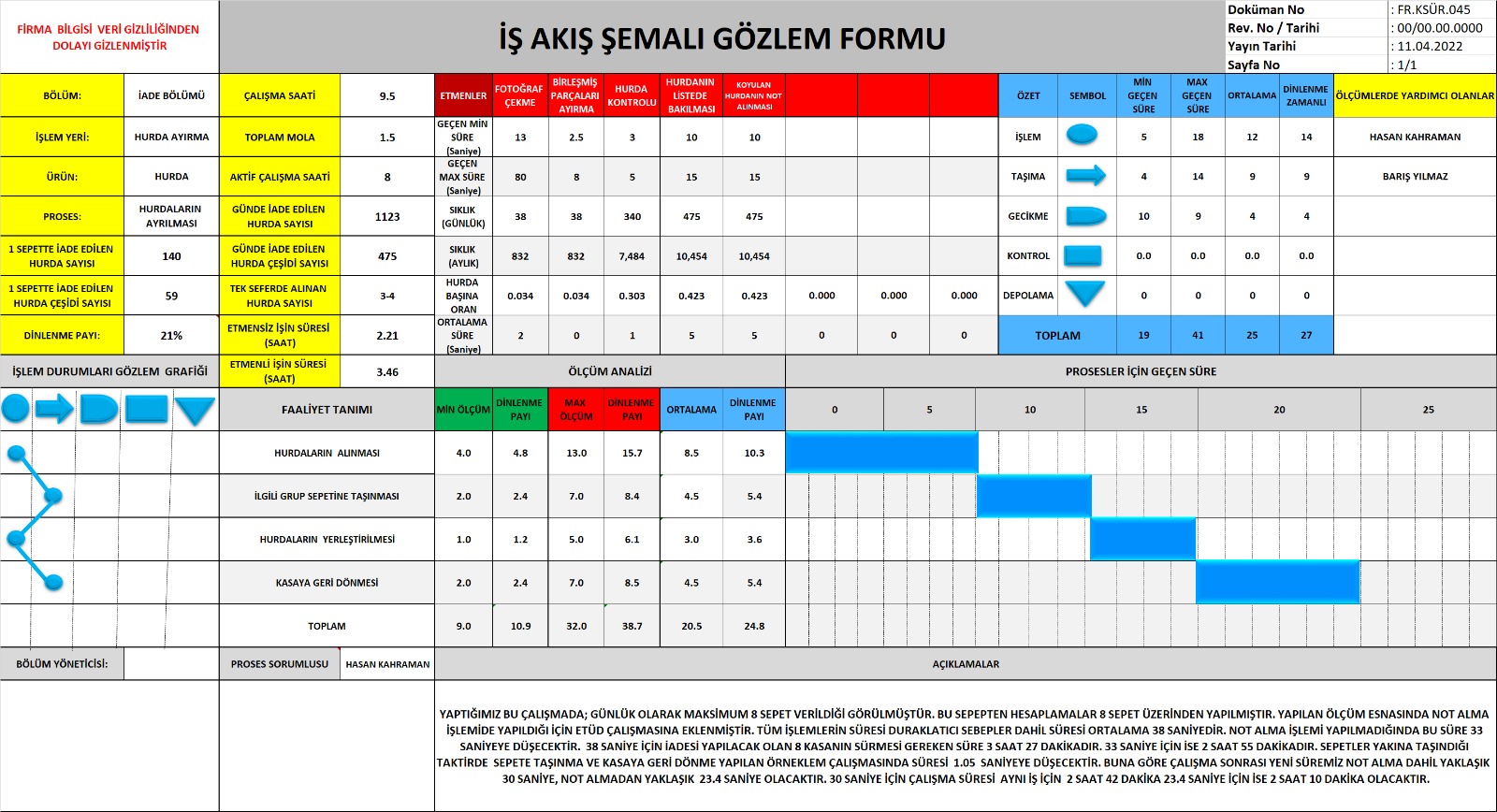
Thanks to this approach, the process was removed from being open to interpretation and made numerical, comparable, and manageable. Capacity and efficiency opportunities were discovered through the detailed factor analysis conducted.
45 Minutes
Time gained per personnel
85 Minutes
Factored Time Determination
Applied Methodology and Solutions
Workflow Definition
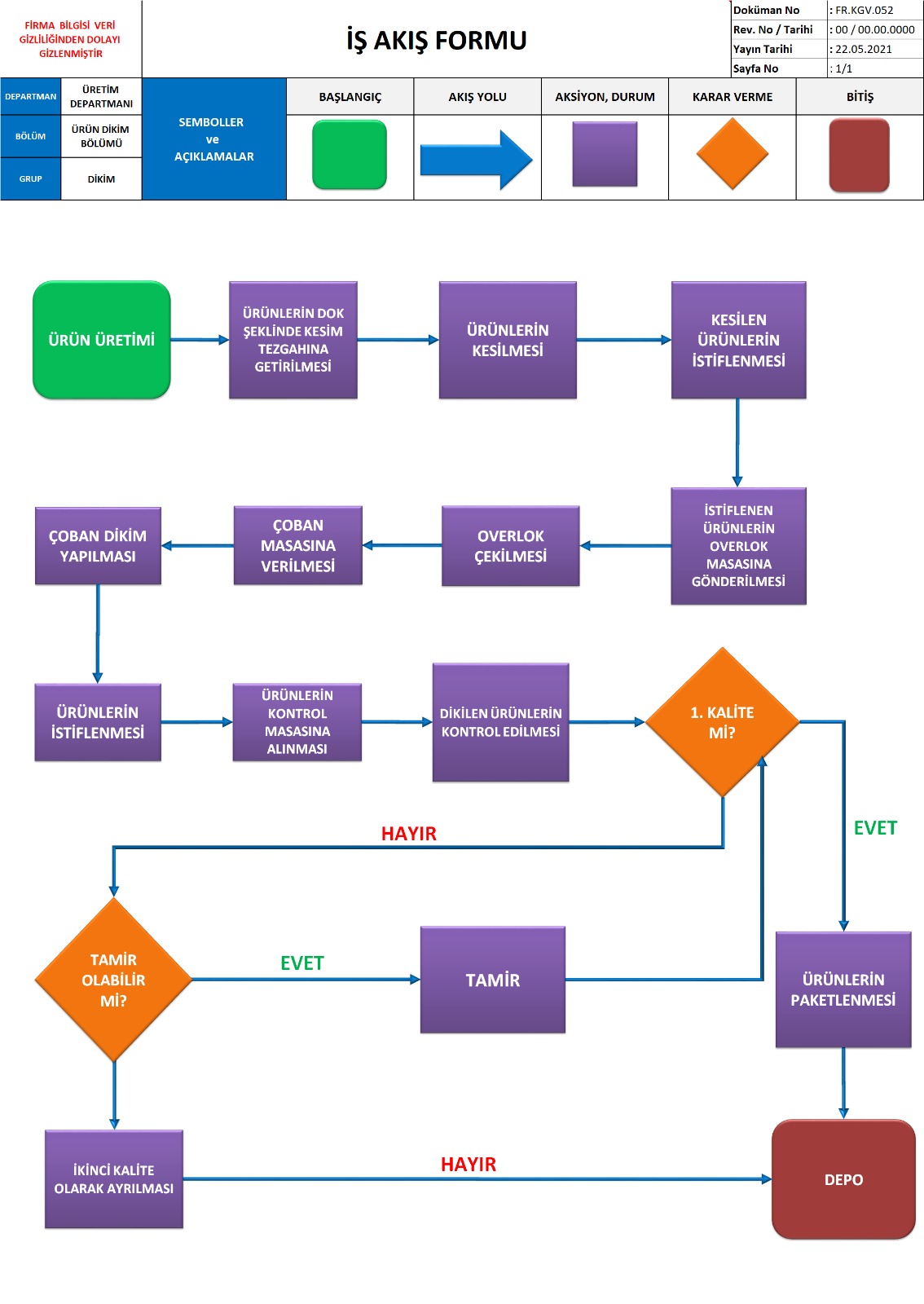
Workflow steps were defined with symbols (process, transport, delay, inspect, store) and a process map was created.
Standardization
Repeated measurements were taken for each step, measurements were standardized, and rest allowances were added.
Capacity Analysis
Total cycle time was calculated, and bottlenecks were identified through the 'Workflow Diagram Time Study Form'.
Results and Achievements
Analysis outputs and implemented improvements revealed the following critical results:
- The process was measured step-by-step for the first time, and all non-value-added activities were made visible.
- Standard working time was defined, and transportation/waiting steps were minimized.
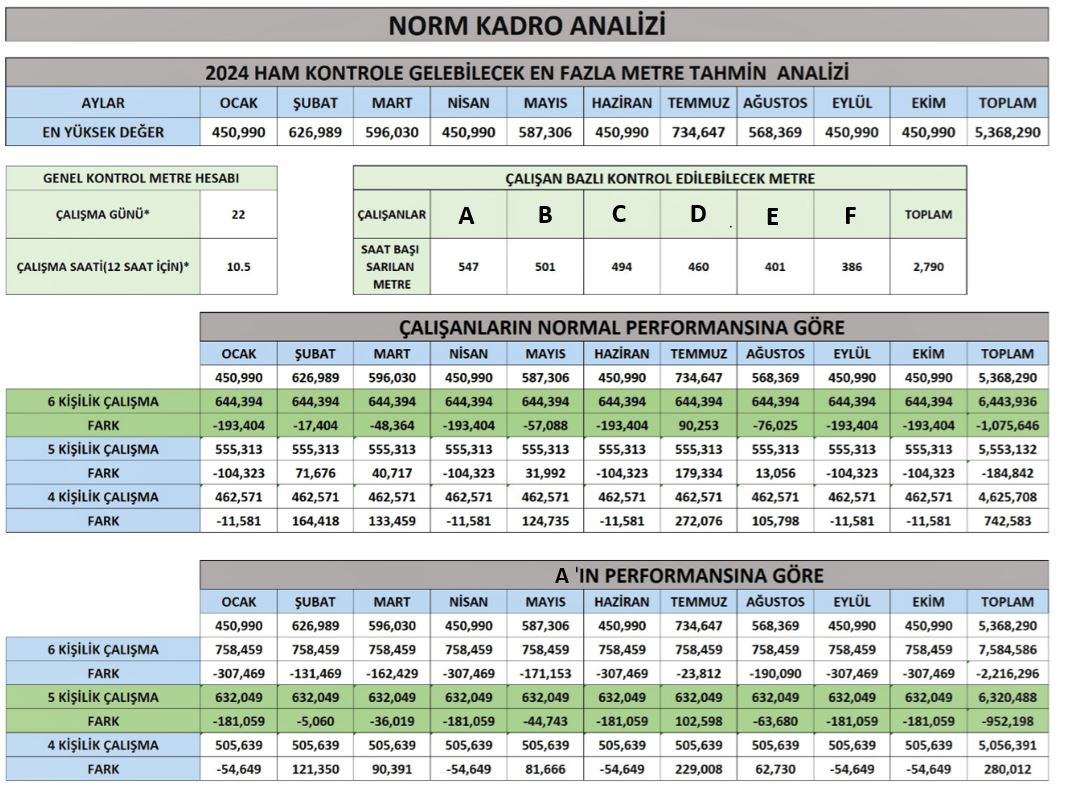
- Capacity calculations were modernized based on actual measurements.
- A significant increase was achieved in operational speed and labor efficiency.
- A numerical and comparable infrastructure was established for continuous improvement.
For more information, you can visit our Operational Excellence service page.