Operational Definition of the Problem
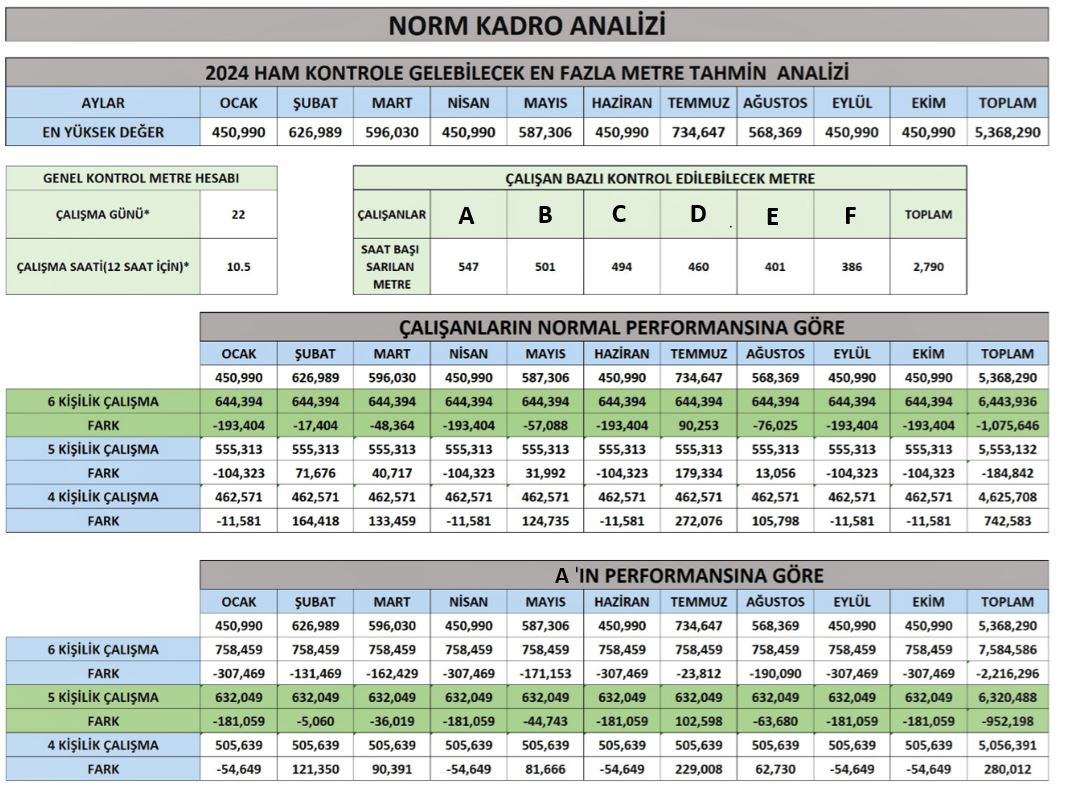
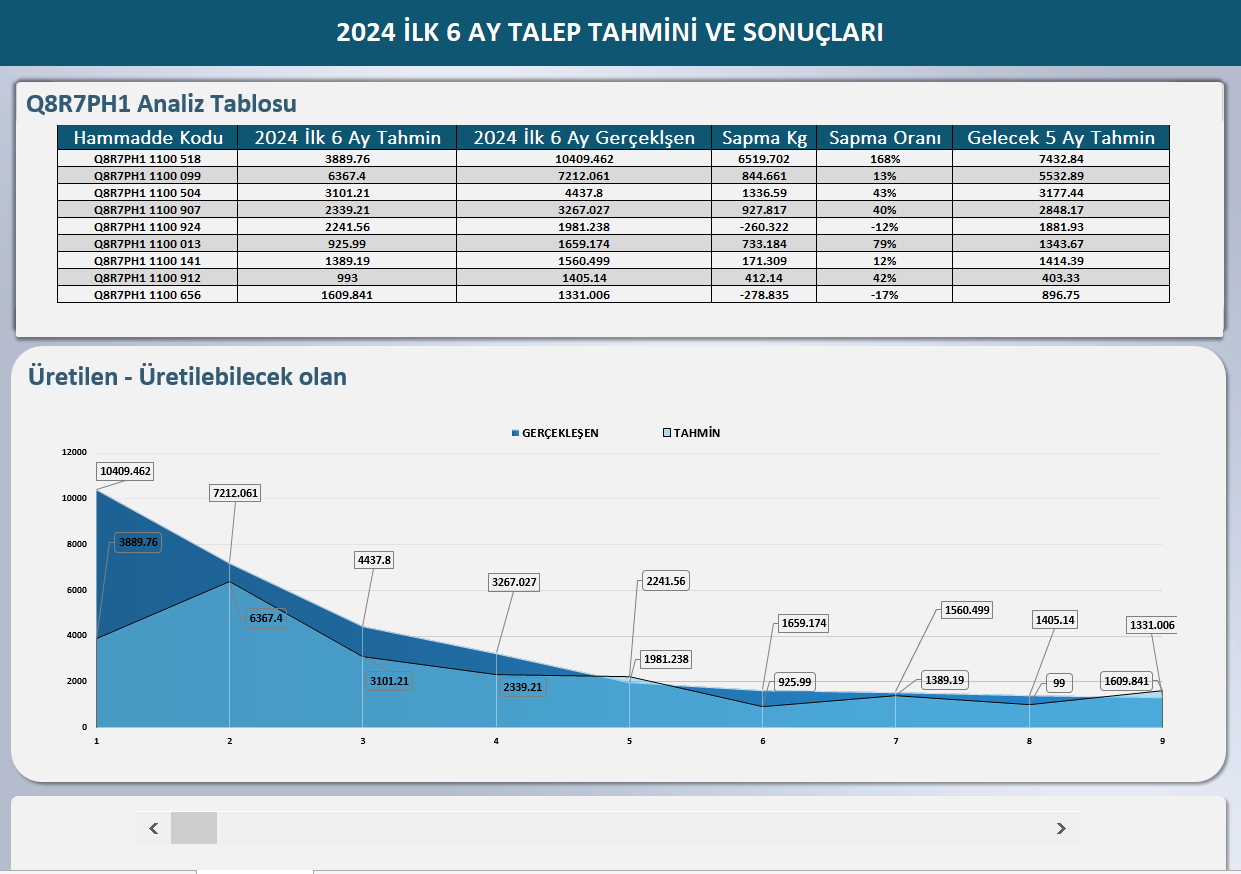
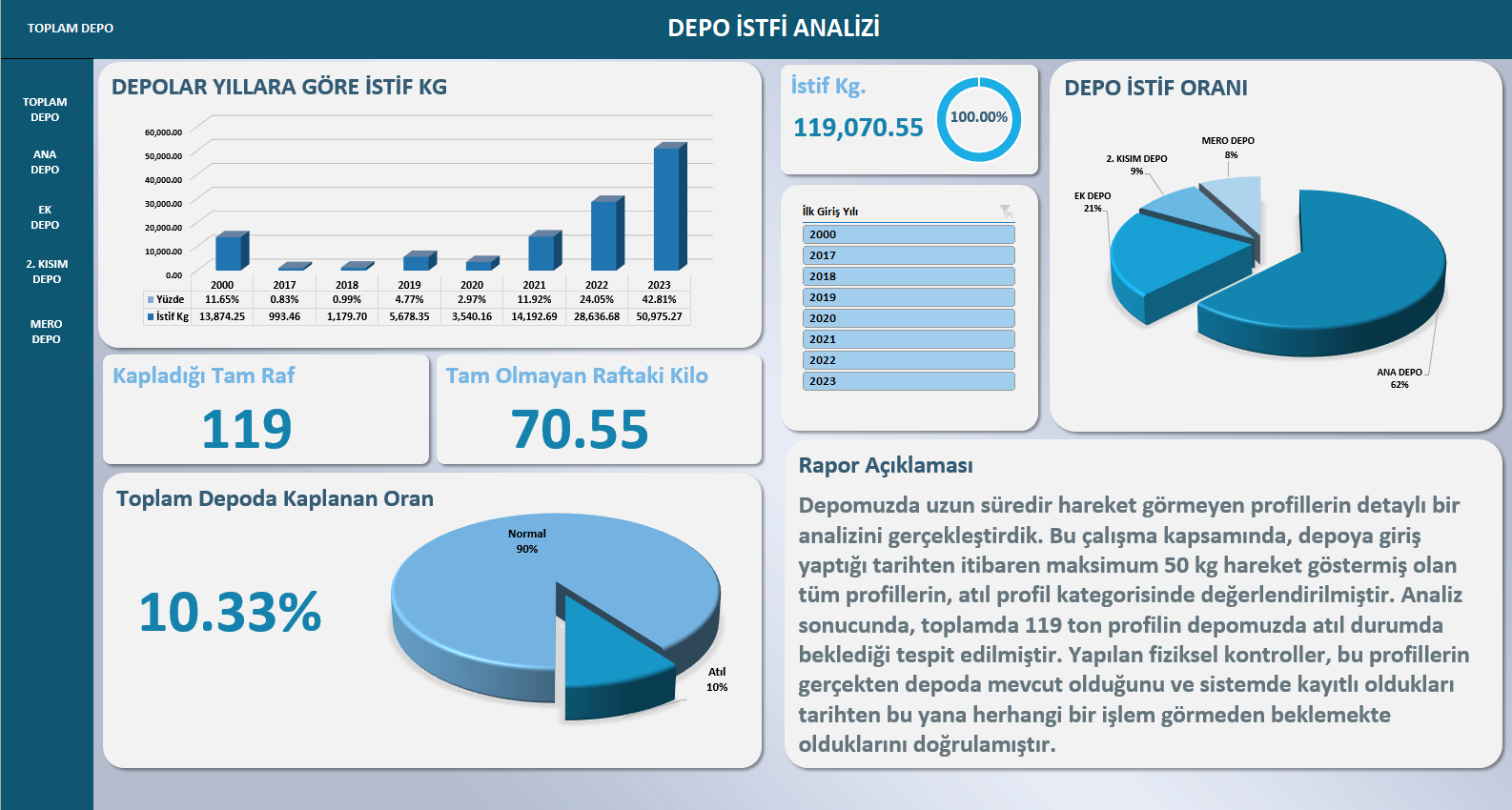
Although ERP systems form the backbone of corporate processes, access to information and correct usage in daily operations create a significant area of uncertainty. Users interpreting system functions differently, process steps progressing depending on the person, and training information being scattered cause operational performance variation and loss of control.
This structure is a critical risk area in terms of sustainability, especially in scaled production organizations.
Why Was This Analysis Conducted?
The reliance of ERP usage largely on individual experience creates an operational structure progressing with intuitive decisions. This situation causes the weakening of process standardization, prolongation of training periods, and an increase in error repetition rates.
To make these risks manageable, an engineering-based and systematic information management approach was needed instead of intuitive approaches.
Applied Engineering Approach
By standardizing the access time to information, time loss and performance variation in ERP usage are reduced; indirect capacity losses are kept under control.
Critical Parameters
- User role-based information needs were defined.
- Process step - ERP function mapping was done.
- Training content access times were analyzed.
- Error and return frequency were tracked.
Standard
Information Access
Minimum
User Error
Corporate and Operational Achievements
- Standardization: It was ensured that ERP usage is carried out with process-based standard business logic.
- Traceability: Single-center management of training content and process information was ensured.
- Capacity Security: Efficiency was increased by reducing indirect labor losses.
- Cost Control: Reduction of error repetitions and learning costs was achieved.
Conclusion - Consulting Perspective
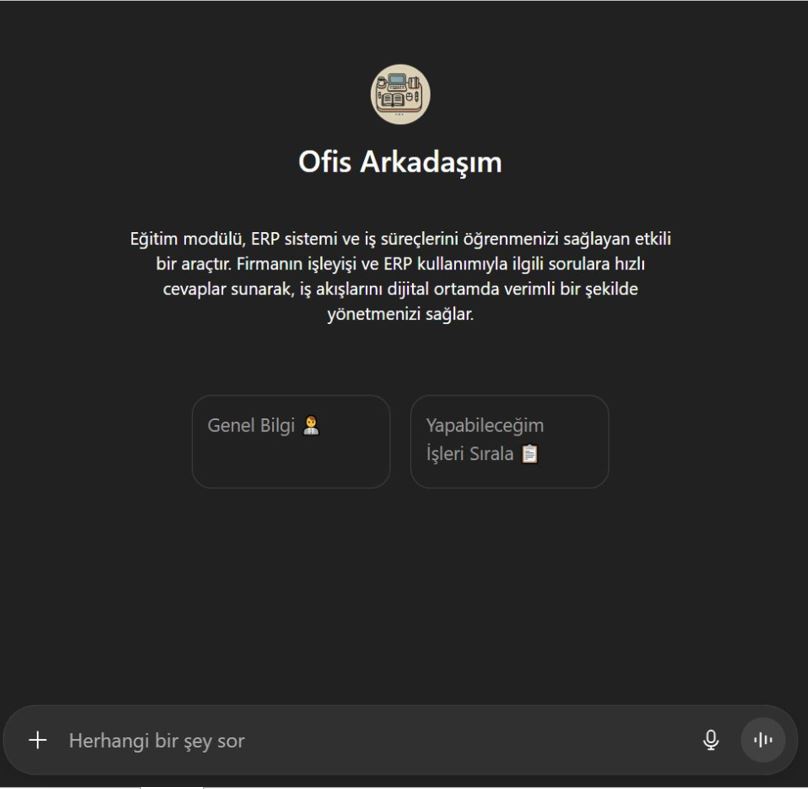
This study transforms the ERP system from merely a software infrastructure into an information management platform that supports operational decisions. While process discipline, capacity security, and audibility are strengthened across the institution; the true operational return on ERP investments is clearly demonstrated. This approach is one of the fundamental building blocks of sustainable operation management for scaling organizations.